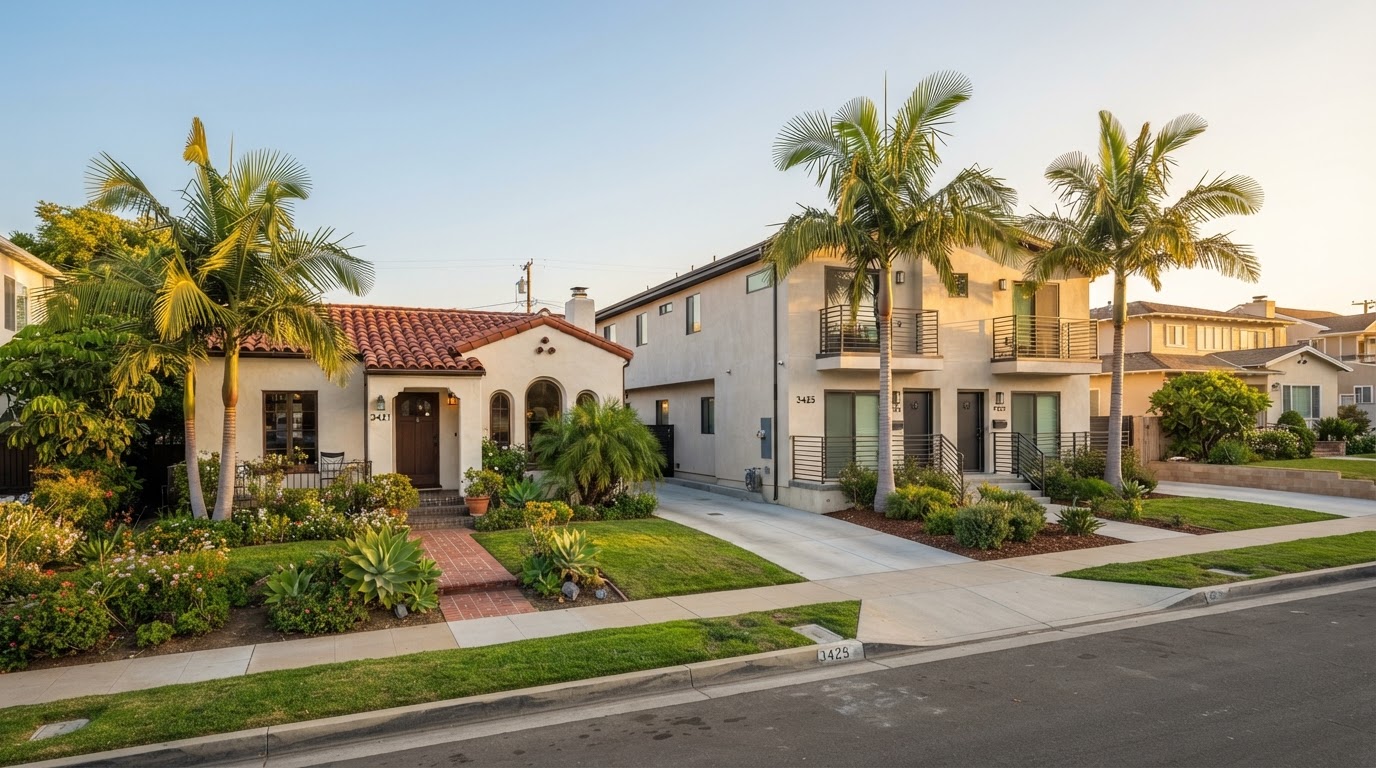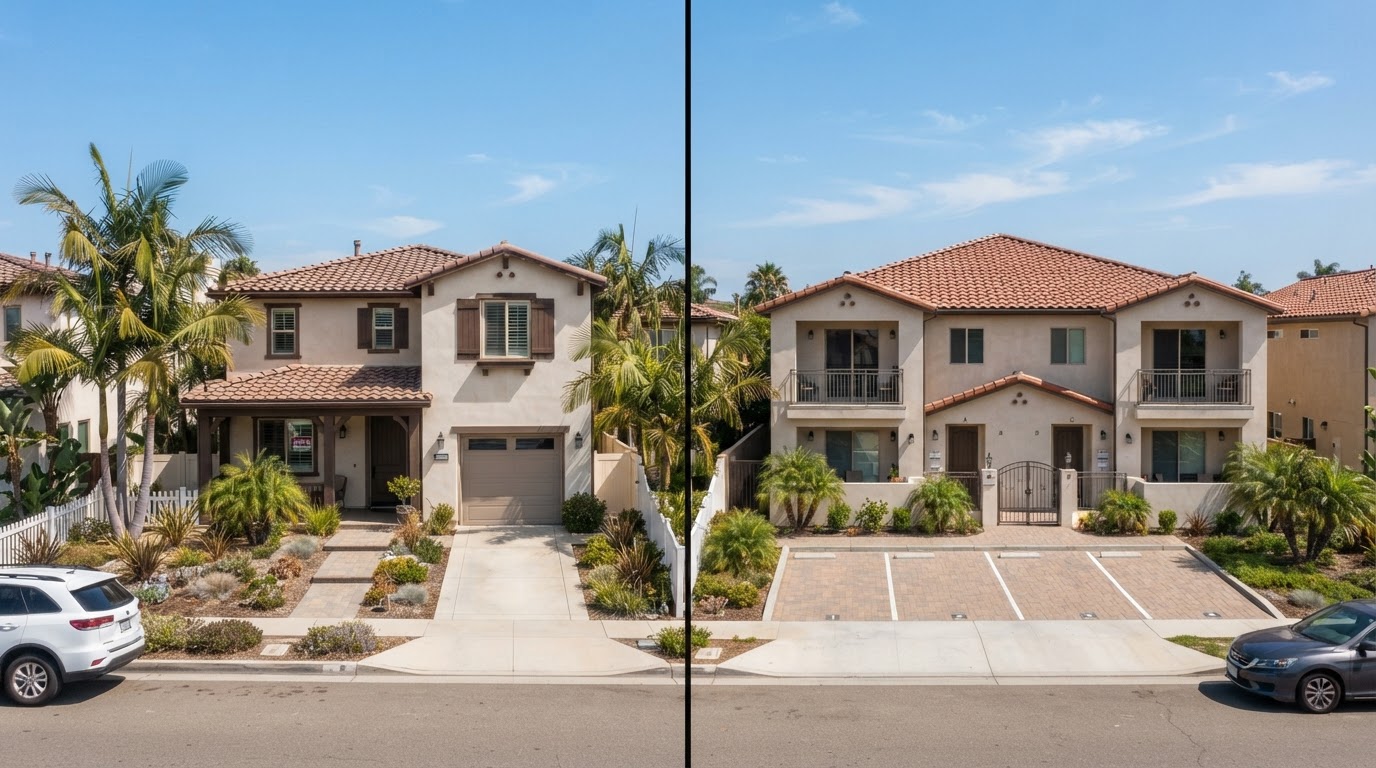
Source: breakdown by Nick Lyon (@nick_lyonestates)
A single-family rental depends on one tenant. When that tenant leaves, or a major repair hits, cash flow can drop to zero or go negative. A multifamily building spreads rent across several tenants, so one vacancy takes out only part of the income. Nick Lyon, an investor, argues this makes multifamily a better path for anyone trying to scale income and buy back their time. It lowers one kind of risk. It does not remove risk.

Nick's argument
In the reel and caption, Nick makes these points:
- Scaling one house at a time is slow. Each purchase adds one tenant and one property to manage.
- A single-family home concentrates risk. In his words, one vacancy or one roof repair can wipe out a year of cash flow.
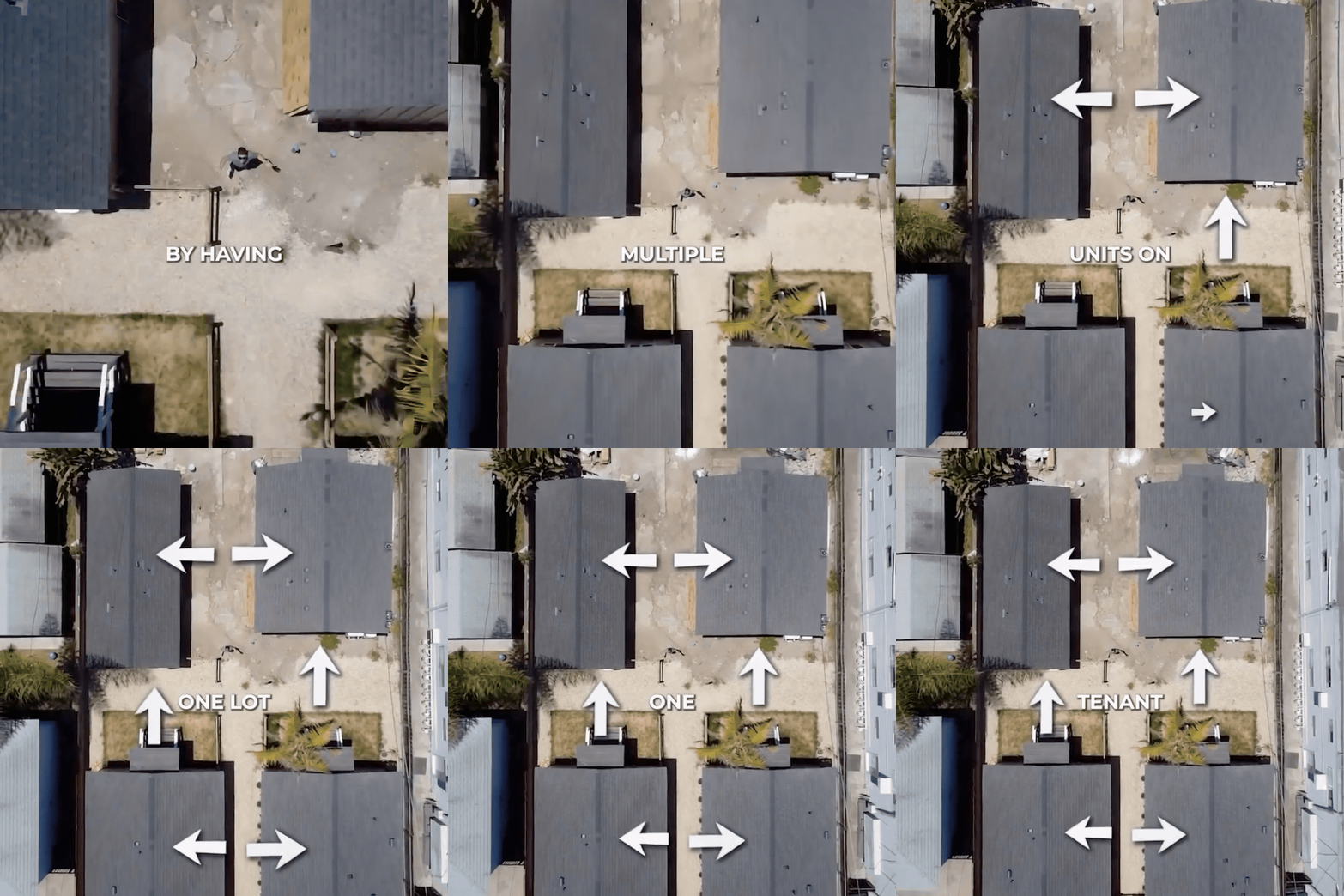
- Multifamily puts more units on one lot. More rent comes from the same piece of land, and no single tenant is responsible for the whole income.
- A mix of tenants adds resilience. In one of his own four-unit buildings, he has short-term rentals, a Section 8 tenant and a long-term tenant. If one unit sits vacant, the others still help cover the bills.
The vacancy math
Illustrative arithmetic, not from the reel. Assume equal rents.
| Property | Units | Rent lost when one unit is vacant |
|---|---|---|
| Single-family rental | 1 | 100% |
| Duplex | 2 | 50% |
| Fourplex | 4 | 25% |
The mortgage, taxes and insurance continue either way. With more units, a larger share of income keeps coming in while one unit is empty. This also applies to repairs: expenses can be covered by the units that are still occupied.
What multifamily does not fix
Spreading risk is not the same as removing it.
- Concentration. Multiple units on one lot share the same location, roof, systems and local rules. A building-wide problem hits every unit.
- Bigger purchase and bigger debt. A multifamily building costs more and usually comes with a larger loan. In general, one to four units can use residential financing, while five or more are typically financed as commercial loans. Confirm current terms with a lender.
- More management. More tenants, more turnover and more maintenance. A mix of tenant types also means different rules and different paperwork for each.
- Ground-up development is a different risk. Nick references ground-up multifamily. Building from scratch adds entitlement, construction cost and timeline risk that buying an existing building does not.
- "Forced appreciation" is not guaranteed. The term describes raising a property's value by improving its income or cutting expenses. Whether that works depends on the market, the renovation budget and the rents you can actually achieve.
How to use this
- Compare on net cash flow, not unit count. Run each deal with realistic vacancy, repairs and reserves.
- Plan for the first vacancy and the first big repair. Know how many months of costs your reserves cover.
- Check local rules for your tenant mix. Short-term rentals, subsidized tenants and long-term leases can each carry different local requirements.
- Think about scale. Multifamily can help you reach critical mass faster. See our article on critical mass.
- Consider adding units. Some properties allow added units, such as an ADU. See our ADU development service and our Logan Heights case study.
Frequently Asked Questions
- Is multifamily safer than single-family?
- It spreads vacancy risk across more tenants, so one empty unit hurts less. It also brings a bigger purchase, more management and risks that apply to the whole building.
- Why can one vacancy hurt so much in a single-family rental?
- Because the rent from a single tenant is the property's entire income. When that tenant leaves, income stops while costs continue.
- What does "forced appreciation" mean?
- Raising a property's value by increasing its income or reducing its expenses, instead of waiting for the market to rise. It is not guaranteed.
- Can I mix tenant types in one building?
- Sometimes. Different tenant types, such as short-term, subsidized and long-term, can each have their own local rules. Check the requirements for your city before planning around them.
- How much money do I need to buy multifamily?
- It depends on the price, the loan type and the property. Talk to a lender about current down payment and reserve requirements.
This article is for general education only and reflects the author's views and personal experience. It is not legal, tax or investment advice, and it is not an offer to sell or a solicitation to buy any security. Results vary by property and market. Consult qualified professionals before investing.
Comparing a single-family rental against a multifamily deal in San Diego? Ground Zero Development works with investors on site selection, feasibility and development from acquisition through stabilization.
Get in touch