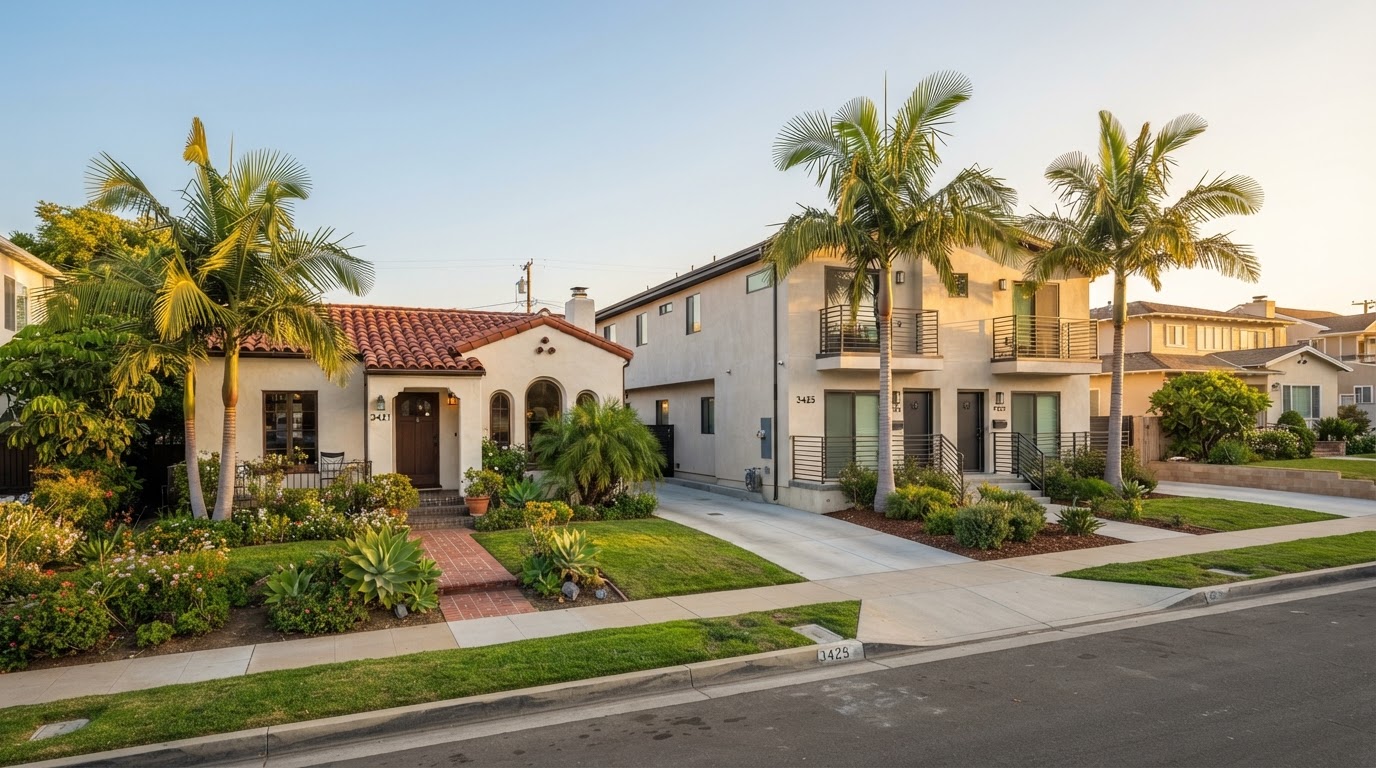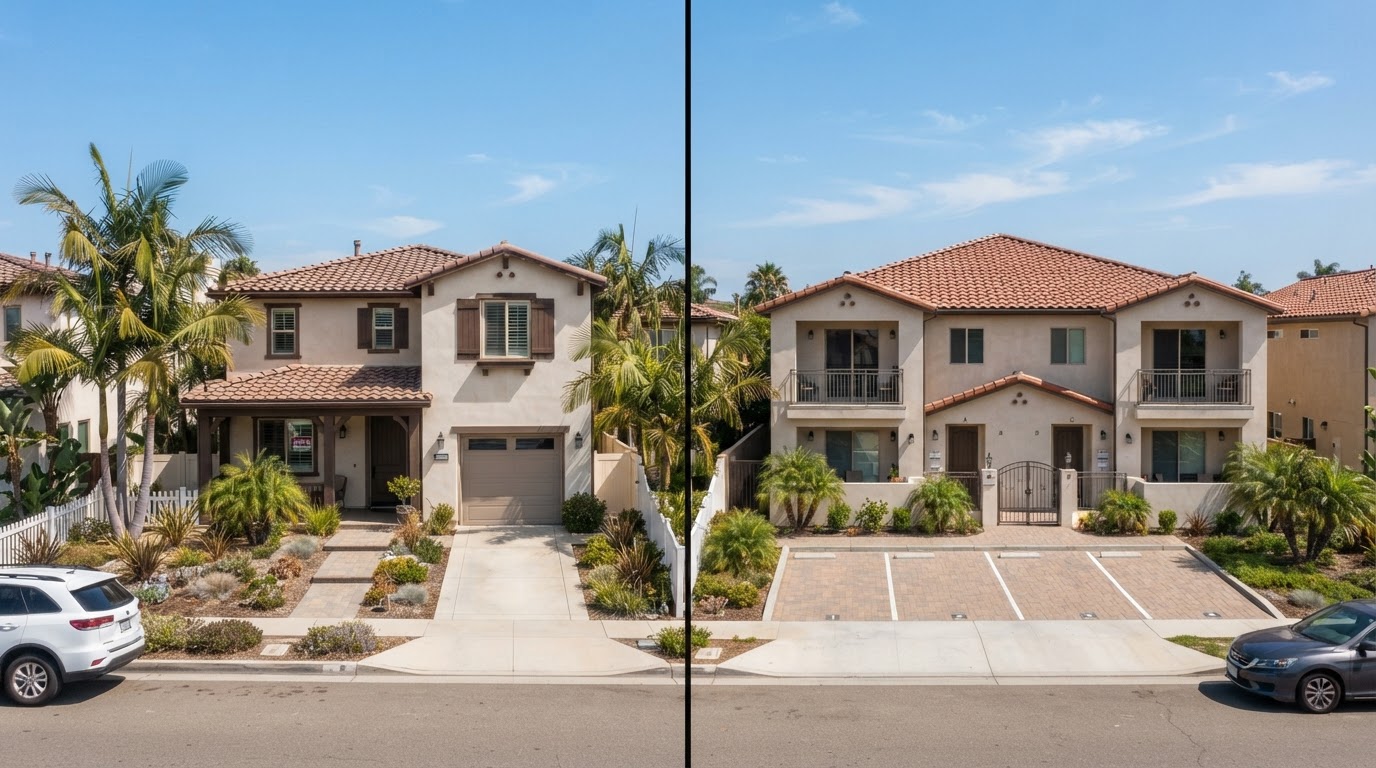
Source: breakdown by Erion Shehaj (@investingarchitect)
Most investors who say real estate "didn't work" for them blame their returns. Erion Shehaj, a Houston-based real estate investor, says the more common cause is critical mass: they never bought enough properties to produce the income they wanted. A strong return on a small portfolio still produces a small income.
The myth: "I should have earned 10%, not 8%"
According to Erion, many investors look back at a portfolio that did not get them where they wanted to be and conclude that the return was the problem. They earned 8% and think they should have earned 10%, 12% or 15%.
His view is that this is usually a misdiagnosis. The gap between 8% and 10% rarely explains why a portfolio failed to support the life the investor wanted.
What "critical mass" means
Critical mass is the portfolio size required to reach your income goal. Below that size, the portfolio cannot produce the target cash flow, even if every deal is a good one.
Erion describes a conversation he has had with investors. They wanted $100,000 a year from real estate, bought a couple of single family houses, and later said it did not work. His response: it was never going to work at that size. Even properties bought at great discounts with great returns cannot reach a $100,000 goal if the portfolio is too small to generate it.
The math behind it
Illustrative arithmetic, not from the reel.
Annual income is roughly the size of the income-producing portfolio multiplied by its yield. To find the size you need, divide your income goal by the yield:
| Income goal | At an 8% yield | At a 10% yield |
|---|---|---|
| $100,000 per year | $1,250,000 | $1,000,000 |
Moving from 8% to 10% lowers the required portfolio by $250,000. But an investor who owns two houses with, say, $150,000 working for them is far from either number. The size of the gap is the problem, not the two points of yield.
A simple way to size your own goal:
Units needed = target annual income / net annual cash flow per property
Use your real net cash flow after expenses, vacancies and debt service, not projections from a pro forma.
What this means in practice
- Start with the income number. Decide what monthly or annual income you need, then work backward to the portfolio size.
- Judge the plan by size, not just return. A great deal that only adds one door does not close the gap by itself.
- Plan how you will scale. Reinvesting cash flow, trading up and exchanging into larger assets are the usual ways to build mass. See our article on the reverse 1031 exchange.
- Keep buying until you reach the number. Erion's point is that investors stop short, then conclude real estate failed.
Frequently Asked Questions
- What is critical mass in real estate investing?
- It is the portfolio size needed to produce your target income. Below it, even strong returns cannot deliver the cash flow you want.
- Is return on investment not important?
- It matters, but Erion's argument is that it is rarely the main reason a portfolio falls short. Size relative to the income goal usually matters more.
- How many properties do I need to earn $100,000 a year?
- It depends on the net cash flow per property. Divide your target income by the real net annual cash flow each property produces.
- Why do a couple of single family rentals often fall short?
- Each house produces a limited amount of net cash flow, so a few of them cannot add up to a large income target.
- Where should I start?
- Set the income goal, calculate how many units or how much capital it requires, then build a plan to scale to that size.
This article is for general education only. It is not legal, tax or investment advice. Examples are illustrative and not a projection of returns. Consult a qualified advisor about your situation.
Building toward your income goal and need help scaling a San Diego portfolio? Ground Zero Development handles acquisition through stabilization on infill projects across the city.
Get in touch