Source: breakdown by Nick Lyon (@nick_lyonestates)
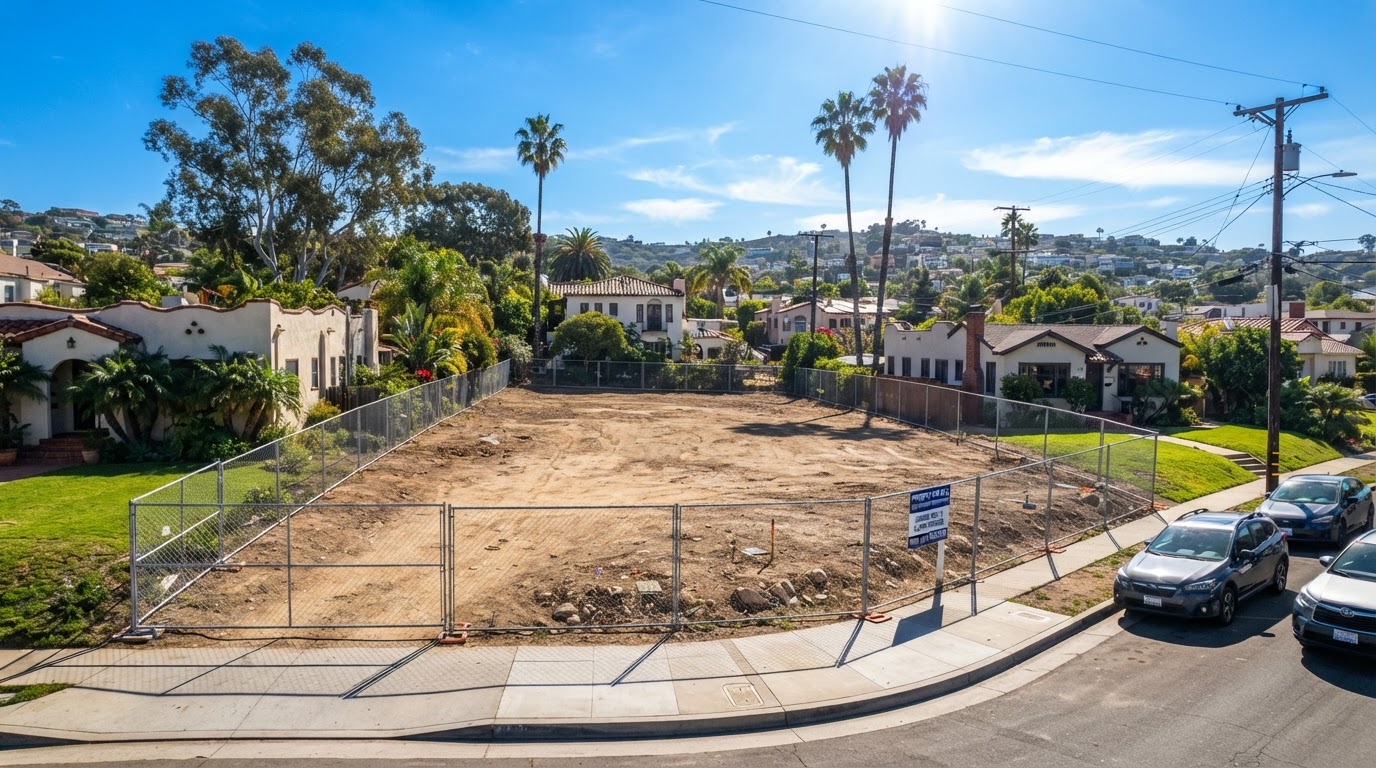
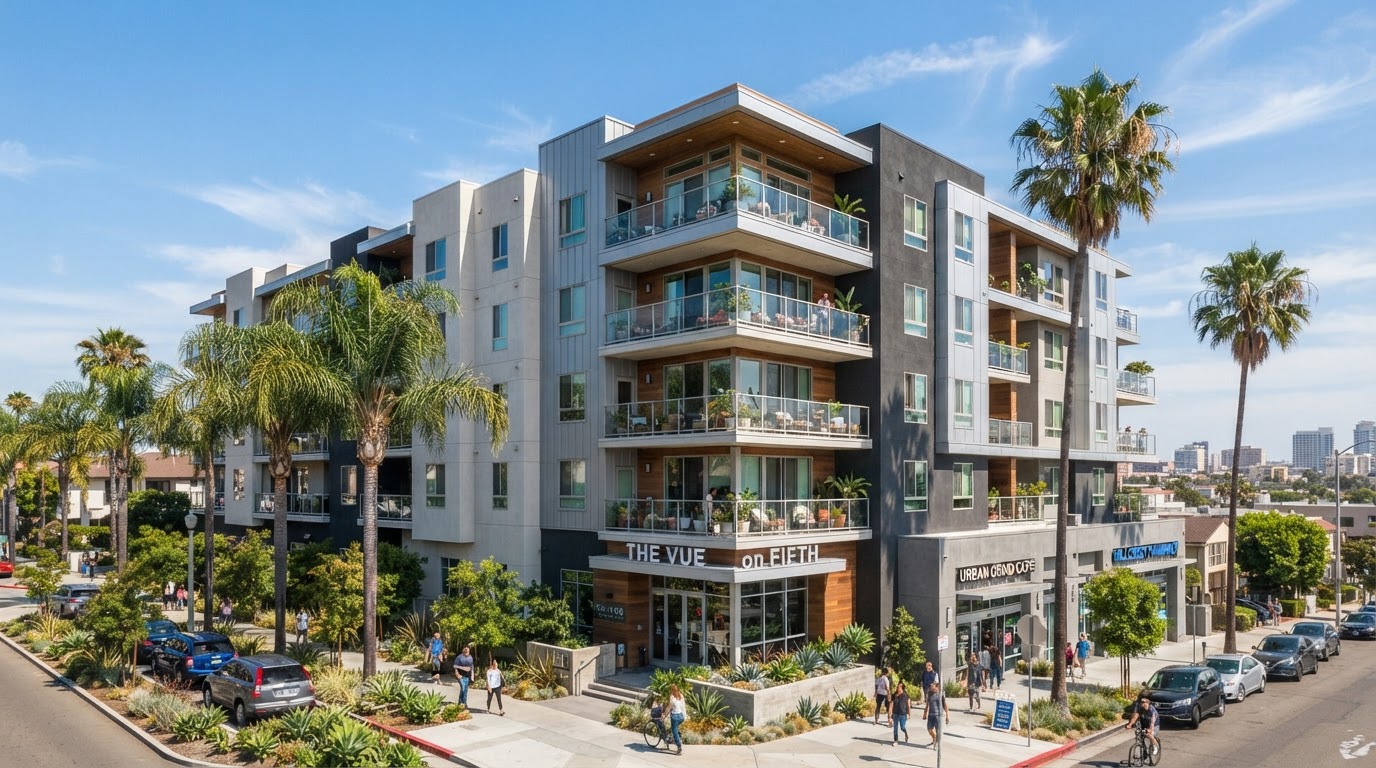
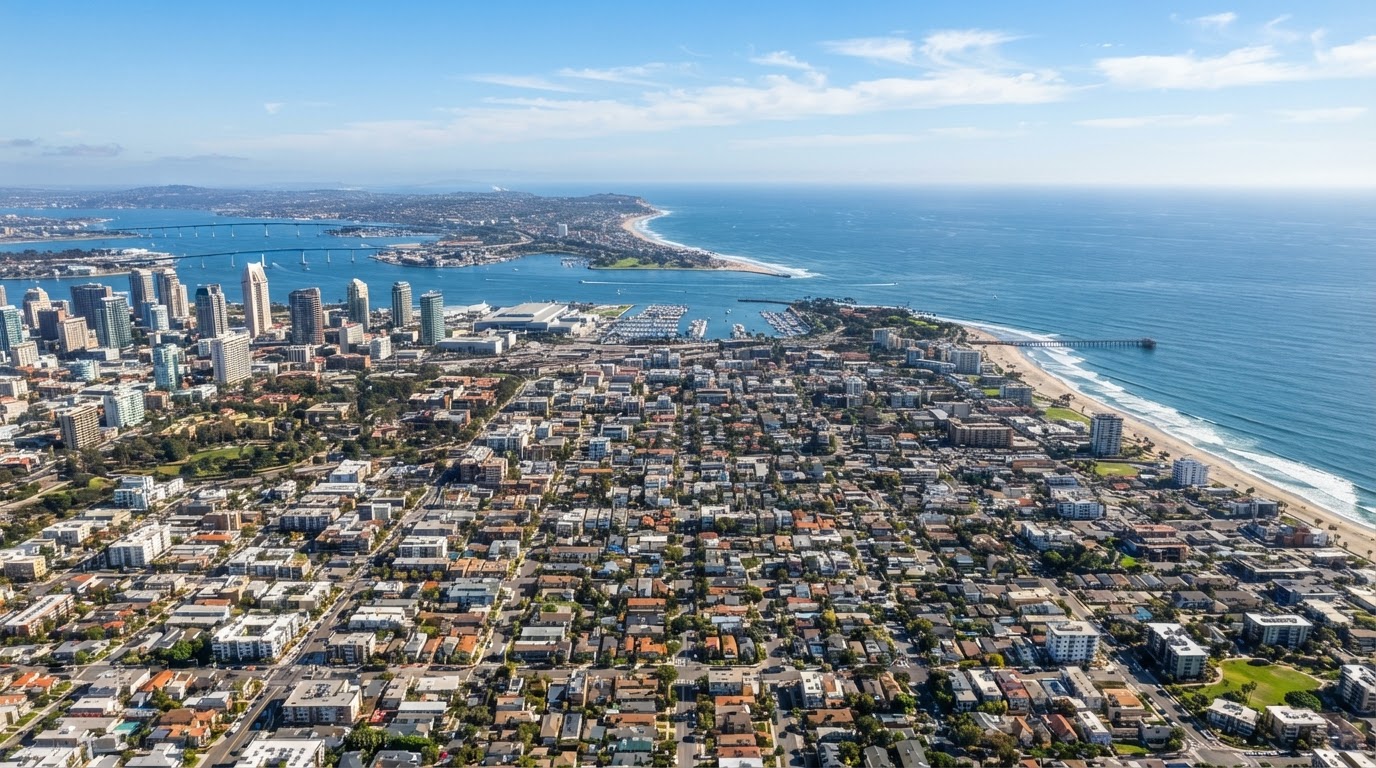
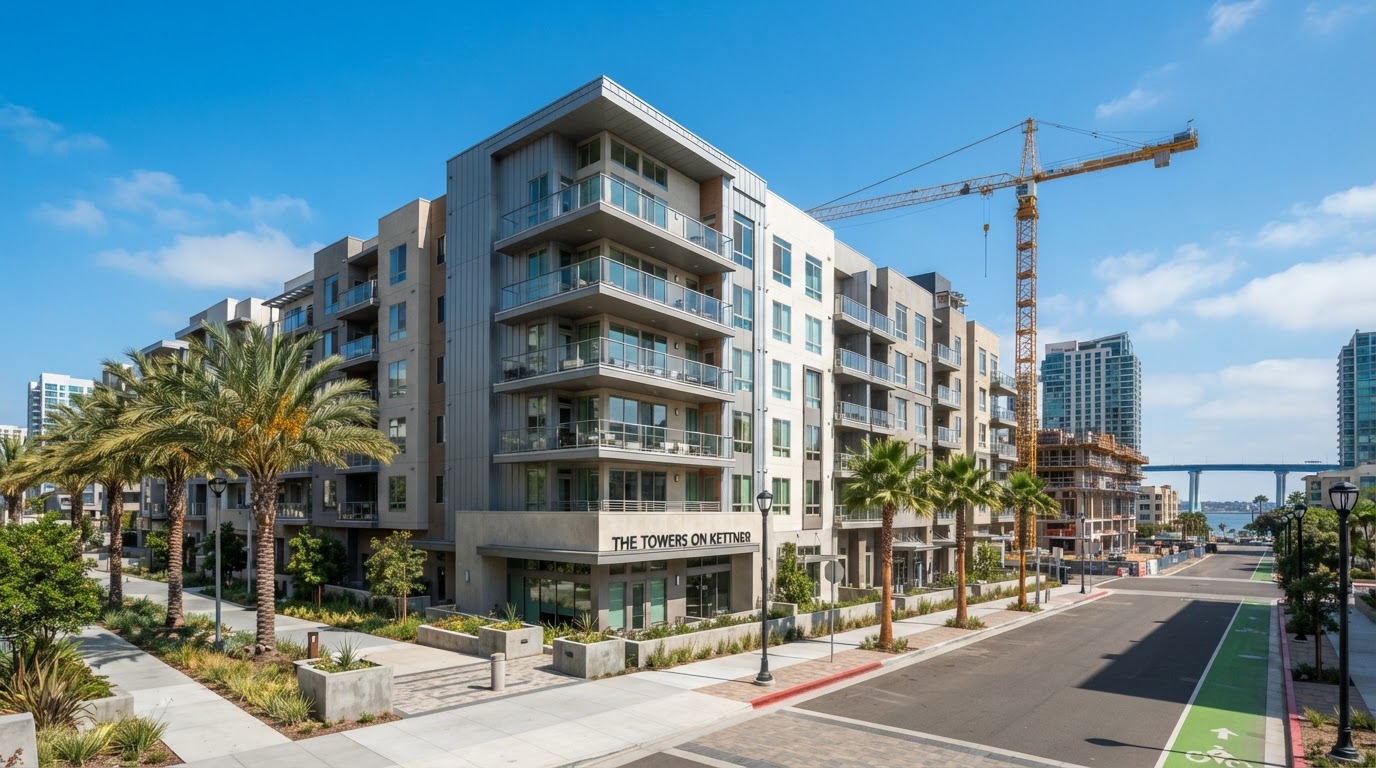
San Diego has just absorbed one of its biggest waves of new apartments in decades, and vacancy has risen from historic lows. Nick Lyon of Ground Zero argues that this is a poor reason to sit out, because the pipeline of new apartments is already shrinking. His view: investors who wait for the perfect entry point risk buying later, with less supply and more competition. This article lays out his argument and the current data behind it, including where the data disagrees.

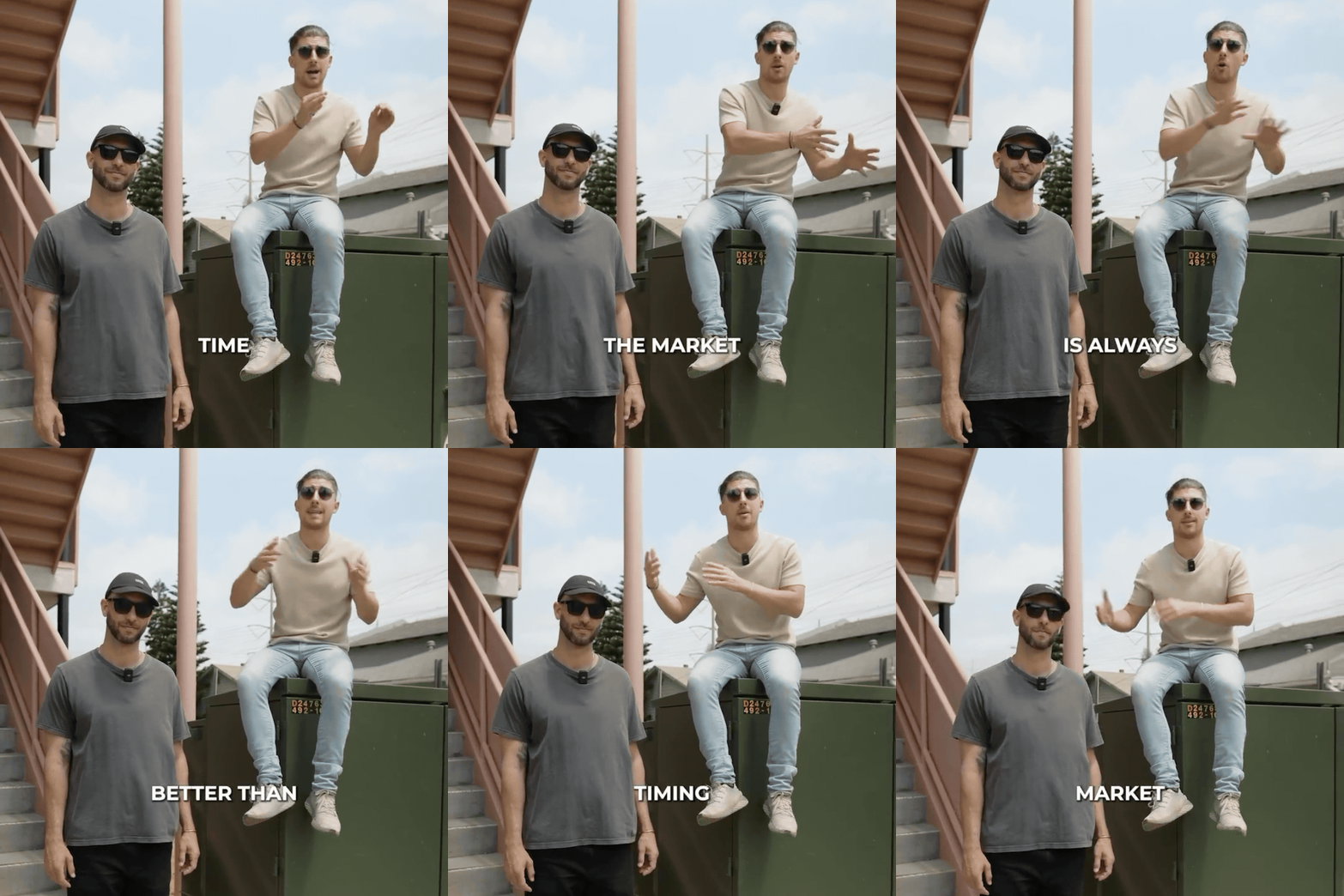
What Nick says
In the reel, Nick makes four points:
- San Diego recently saw a spike in apartment completions, which pushed vacancy up and gave renters short-term leverage.
- High interest rates have slowed new development, shrinking the city's longer-term construction pipeline.
- Large multifamily projects take close to three years to build, so a slowdown today shows up in supply later.
- He expects a severe housing shortage by 2029, as supply runs dry while demand continues.
His conclusion: don't speculate on market noise. Time in the market beats timing the market.
What the current data shows
| Measure | Figure | Source |
|---|---|---|
| Vacancy, Q1 2026 | 4.8%, the highest since 2010 but below the national 6.8% | Moody's, via J.P. Morgan |
| Projected 2026 vacancy | 5.1%, with nearly 5,900 new units | Moody's, via J.P. Morgan |
| Class B and C vacancy, Q1 2026 | 3.3%, vs. 6.4% for Class A | Moody's, via J.P. Morgan |
| Units under construction, Q2 2026 | 9,950, or 2.95% of inventory, down from a 4.00% peak in Q2 2024 | Matthews |
| Trailing 12-month completions, Q2 2026 | 6,793 units | Matthews |
| 2025 deliveries | Highest in roughly 25 years, per multiple trackers | Matthews |
| Average effective rents | Fell about 2% in 2025, forecast to rise 1.2% in 2026 | Moody's, via J.P. Morgan |
Why the vacancy numbers disagree: Different providers measure different inventory. Moody's shows 4.8%, Matthews shows 3.8% for Q2, and CoStar reports 6.2% as a 25-year high. Quote the provider with the number, never a single "San Diego vacancy rate."
Does the data back up Nick's argument?
Where it supports him:
- The pipeline is shrinking. Units under construction have dropped from a 2024 peak, and the J.P. Morgan outlook says construction is expected to slow in the coming years.
- Higher interest rates and costs have strained developers' ability to start new projects, according to reporting by NBC San Diego.
- Older, lower-priced buildings are holding up. Class B and C vacancy is far tighter than Class A, which is where the new supply is concentrated.
Where to be careful:
- Rents fell in 2025, and vacancy is above where it was a few years ago. Renters have more leverage today, as Nick acknowledges.
- The 2029 shortage is a forecast, not a measured fact. Predictions about future supply depend on interest rates, costs and policy.
- Local pockets differ. Some submarkets, such as around Balboa Park, are absorbing far more new units than others.
What this means for an investor
- A supply wave is a pricing signal, not a stop sign. Higher vacancy and slower rent growth can create buying opportunities, and J.P. Morgan notes that higher cap rates have done exactly that.
- Where you buy matters. Class B and C product is behaving differently from new Class A construction.
- Underwrite for today's rents. Do not assume rent growth that has not shown up yet.
- Think in years, not quarters. A hold period long enough to ride out a cycle matters more than catching the exact bottom.
For more on why portfolio size and holding period matter more than timing the perfect entry, see our article on critical mass in real estate. For a worked example of a value-add multifamily deal in this market, read our Logan Heights fourplex case study. If you are evaluating a ground-up or value-add project, our white glove development service covers the full cycle.
Frequently Asked Questions
- Should I wait to invest in San Diego real estate?
- Nick Lyon's view is that waiting for a perfect entry point is a mistake, because supply is already slowing. Whether it fits you depends on your timeline, financing and risk tolerance.
- Why did San Diego vacancy rise?
- A large wave of new apartment completions, with 2025 deliveries at roughly a 25-year high, increased supply faster than renters absorbed it in some segments.
- How long does it take to build a large apartment project?
- Nick puts it at close to three years for major multifamily projects. Timelines vary by project size and entitlement.
- Are all San Diego apartments seeing higher vacancy?
- No. Class B and C properties have much lower vacancy than Class A, per Moody's.
- What does "time in the market beats timing the market" mean?
- It means long-term ownership usually matters more than trying to predict the best day to buy.
This article is for general education only. It reflects the author's opinion and published market data as of the date above. It is not legal, tax or investment advice, and forecasts are not guarantees. Consult a qualified advisor before investing.
Evaluating a San Diego multifamily deal and want help reading the market? Ground Zero Development handles acquisition through stabilization on infill projects across the city.
Get in touch