Source: breakdown by Isaac Wentzien (@isaacwentzien)
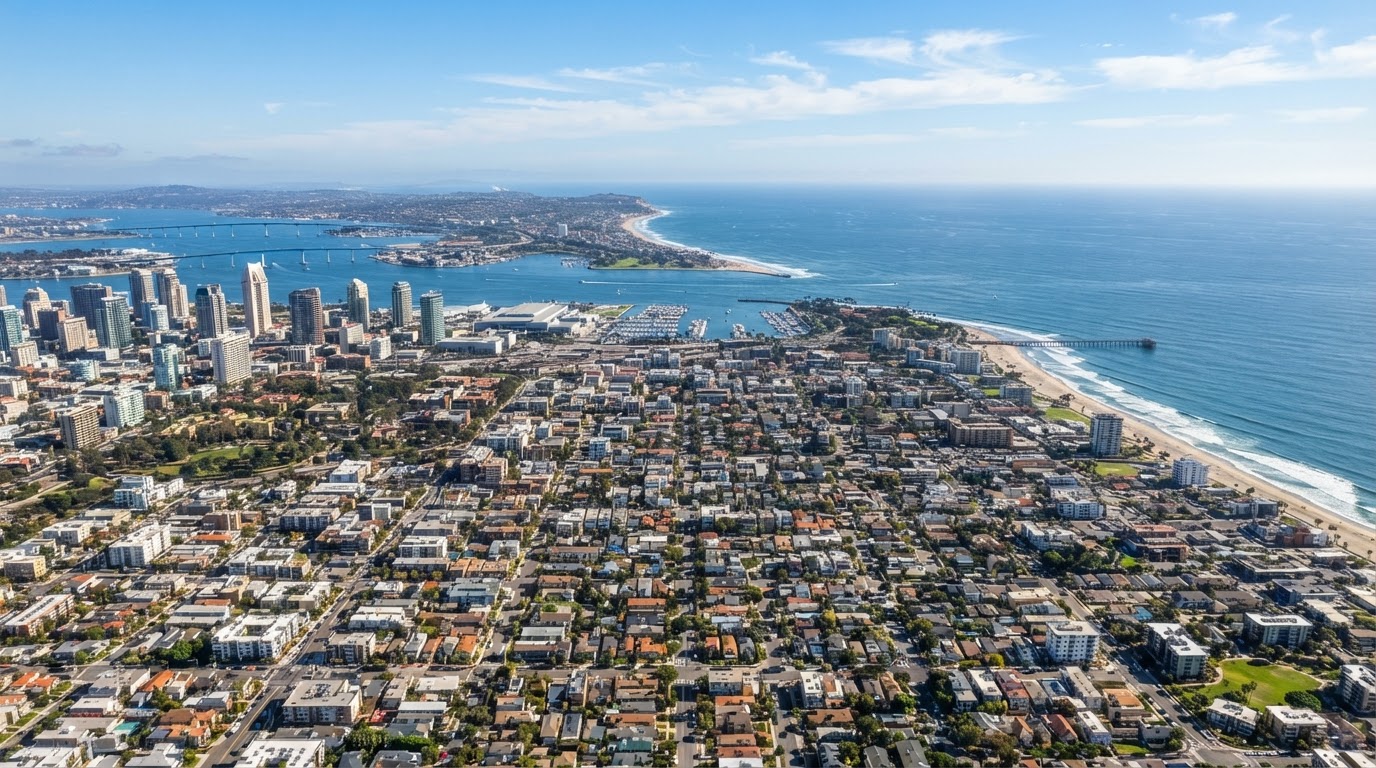
San Diego is boxed in by the ocean, the border, military land, and desert, which caps how much new land can ever enter the supply pipeline. Combined with steady in-migration of higher-income renters, that geography is the real driver behind long-term appreciation, not neighborhood hype.


San Diego's real estate market comes down to three things: supply, demand, and who's actually moving in.
The supply side is geography, not policy
Most cities can respond to housing demand by sprawling outward. San Diego mostly can't. The ocean sits to the west, military land to the north, desert to the east, and the international border to the south. That's not a temporary zoning restriction that could get rezoned away next cycle, it's the map. San Diego is functionally in a bubble, and that bubble caps how much raw land can ever enter the pipeline.
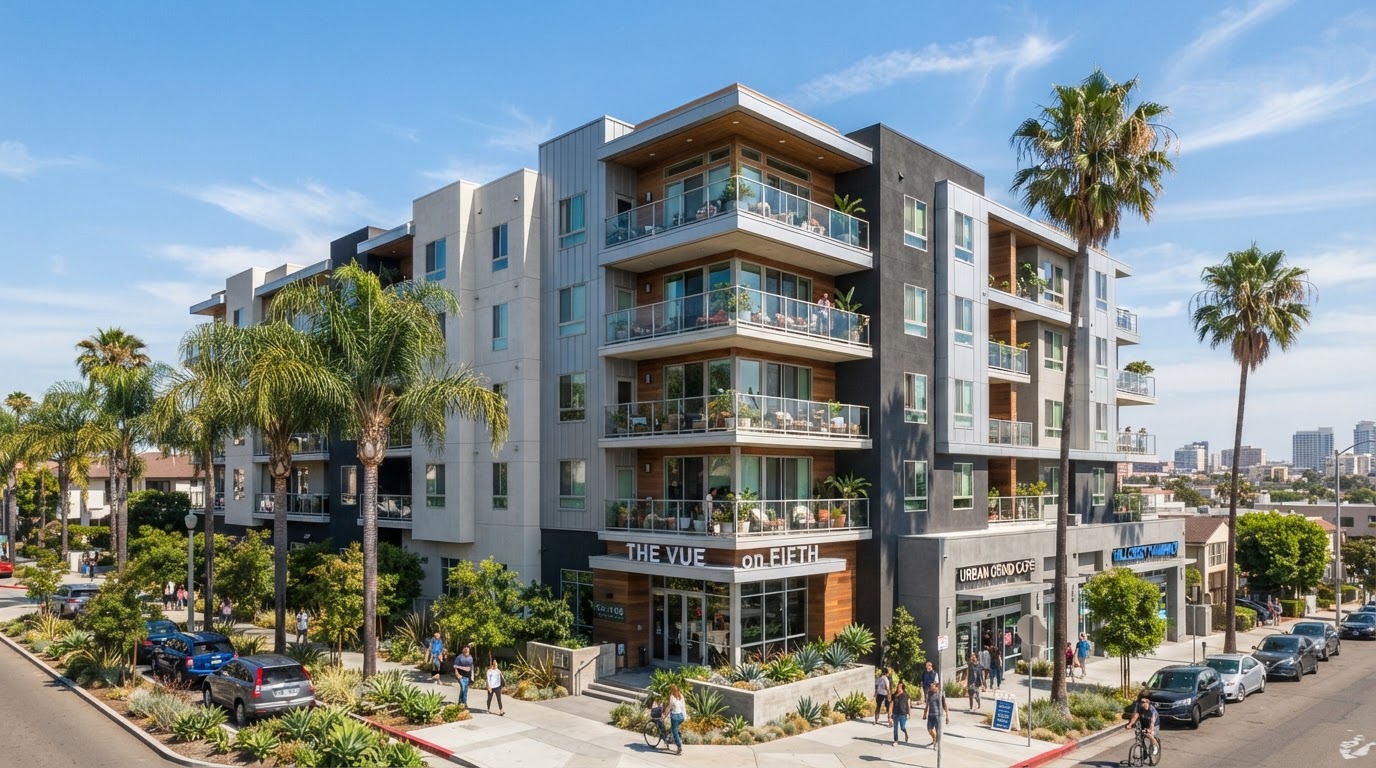
This is exactly why infill development, splitting a lot, adding density on an existing parcel, converting underused land, carries so much weight here compared to markets where a developer can just buy the next ring of farmland and build outward. When you can't grow the supply of land, every unit added has to come from building smarter on what's already entitled or annexable, not from finding more dirt.
The demand side isn't a trend, it's a pattern
People keep moving to San Diego for the weather, the jobs, and the lifestyle, and that's been true for decades, not just this cycle. What matters more for underwriting is who's moving in. San Diego consistently attracts higher-income earners, and that renter pool doesn't shrink just because the city is landlocked. If anything, the same constraints that limit new housing supply also limit how much lower-cost competition can enter the rental market, which keeps the demand pool concentrated at the income level that supports rent growth.
Why this combination matters more than any single neighborhood
Limited land that can be developed, paired with demand that isn't going anywhere, is the setup that makes long-term appreciation a reasonable bet here rather than a hopeful one. That's a market-level thesis, and it holds regardless of which specific neighborhood is trending on social media in a given month. Betting on a neighborhood because it looks good right now is a different exercise than betting on a market because the structural math behind it doesn't change.
What this means if you're building, not just buying
For a buy-and-hold investor, this is the appreciation argument. For a developer, it's the case for why entitlement work, lot history research, and density strategy matter more in San Diego than almost anywhere else in the country. If the land supply is fixed, the value isn't created by finding more land, it's created by extracting more legally buildable square footage out of the land that already exists: narrow lot optimization, floor plan efficiency, hitting the right density threshold on a given parcel. That's the difference between underwriting San Diego like a passive appreciation play and underwriting it like an active development opportunity.
Both theses start from the same geography. Where they diverge is what you do about it.
This breakdown was built off this reel from Isaac Wentzien (@isaacwentzien), who sells multi-unit properties in San Diego.
Looking at San Diego infill sites and trying to figure out what a given parcel can actually support? Ground Zero Development handles site selection and density strategy from acquisition through construction.
Get in touch