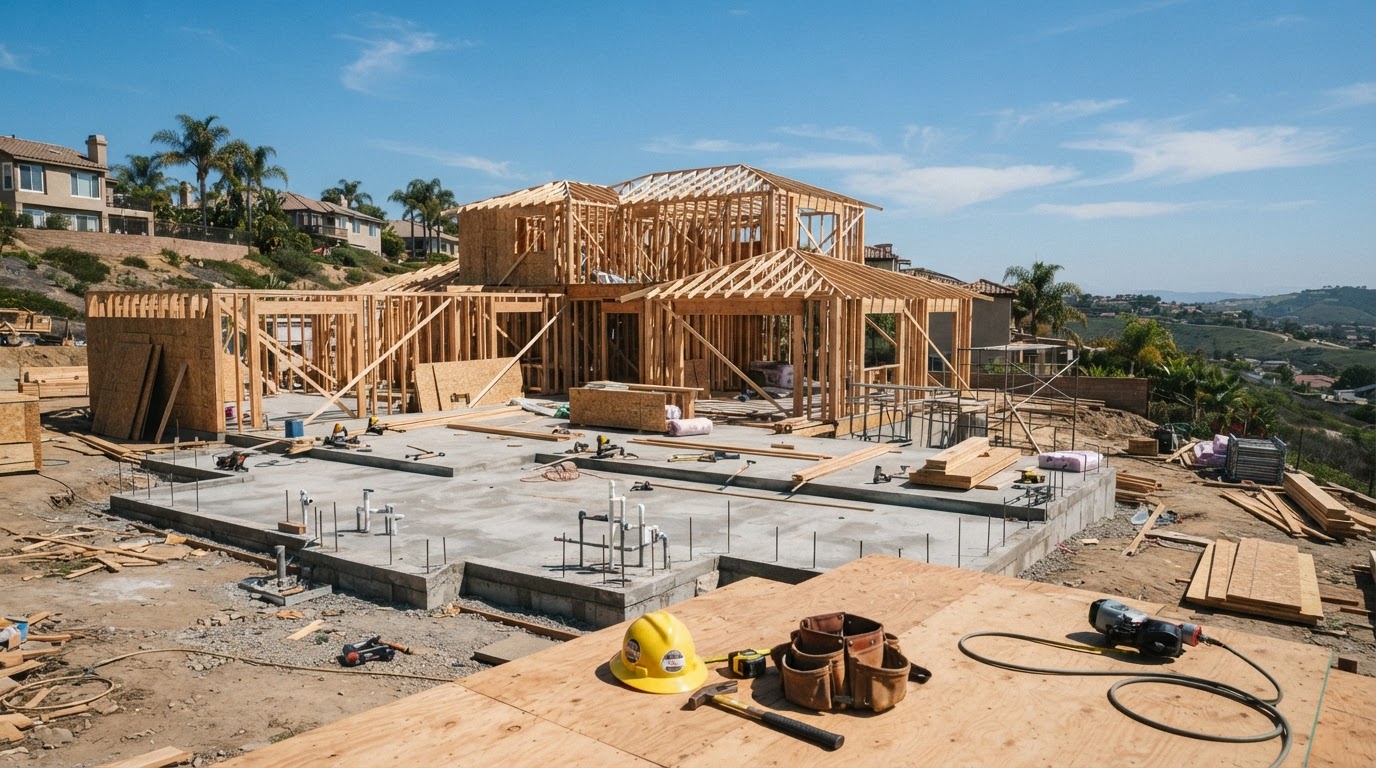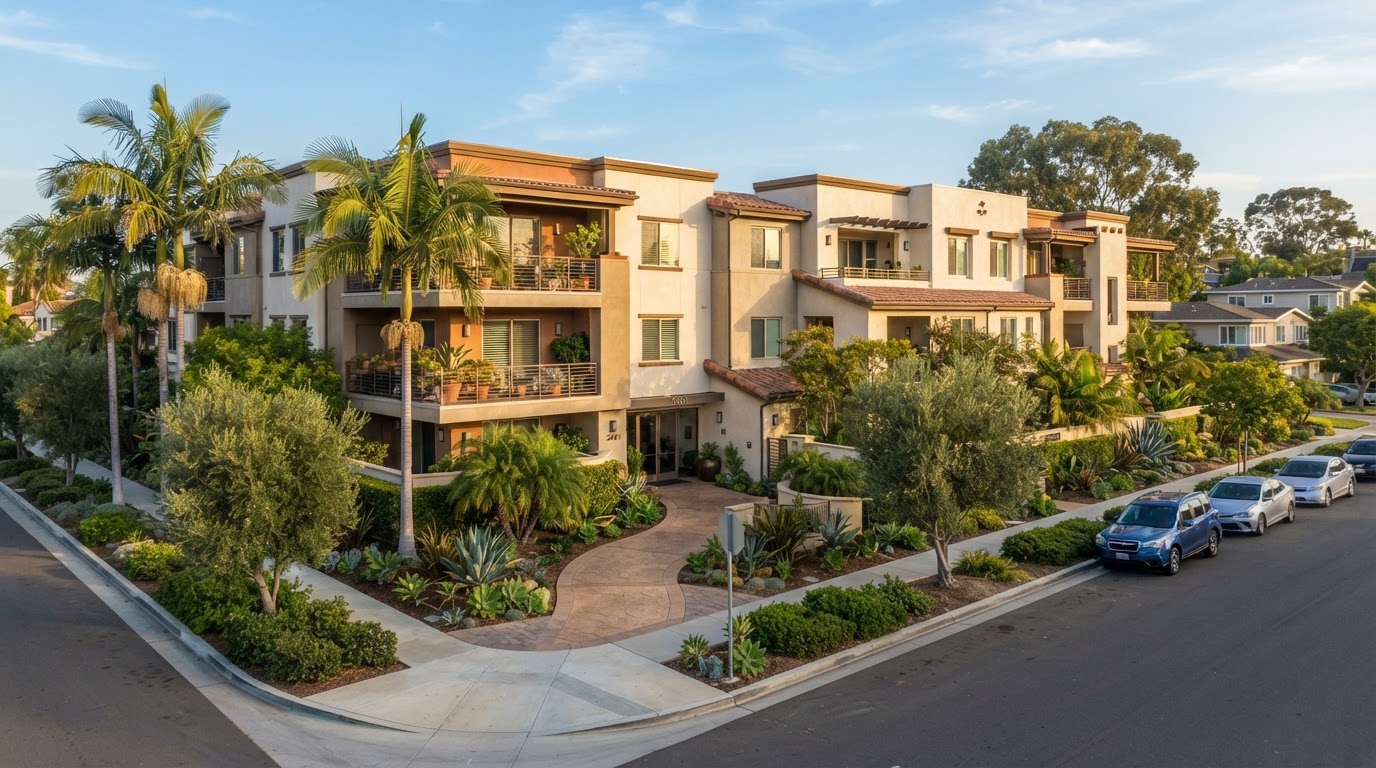
Source: breakdown by Ian Duffy (@scrubs2estates)
"Stay and pay" describes the tenants every property owner wants: people who pay rent on time and keep living in the unit. Ian Duffy, a developer, says the best tenant is not the one who pays the highest rent. It is the one who stays and pays, because a longer tenancy means fewer vacancies, less turnover between units and less money spent finding replacements.


The short answer
"Stay and pay" describes the tenants every property owner wants: people who pay rent on time and keep living in the unit. Ian Duffy, a developer, says the best tenant is not the one who pays the highest rent. It is the one who stays and pays, because a longer tenancy means fewer vacancies, less turnover between units and less money spent finding replacements.
Ian's logic
The reel makes a simple chain of cause and effect:
- The longer a tenant stays, the fewer vacancies you have.
- Fewer vacancies mean less turnover between units.
- Less turnover means less money spent finding new tenants.
So the goal of an owner is to keep good tenants for the long term.
How to keep tenants longer
According to Ian, retention comes from how the property is run:
- Respond quickly to maintenance requests.
- Take good care of the property.
- Be accountable. Do what you said you would do.
- Treat tenants with respect. In his words, don't be a slumlord.
- Build amenities people actually want. His example is parking.
His summary: happy tenants stay longer, and those tenants stay and pay.
What turnover actually costs
General education, not from the reel. Each time a unit turns over, an owner can face several costs at once:
- Lost rent while the unit is vacant
- Make-ready costs, such as cleaning, repairs and repainting
- Marketing and leasing costs to find the next tenant
- Time, since someone has to show the unit, screen applicants and handle the move-in
Example: highest rent vs. longest stay
Illustrative arithmetic with hypothetical numbers. Not from the reel. Compare two tenants over four years. Assume each turnover costs one month of vacancy plus $2,000 in make-ready and leasing costs.
| Tenant A | Tenant B | |
|---|---|---|
| Monthly rent | $2,500 | $2,350 |
| How long they stay | 1 year each, 4 tenants in a row | 4 years |
| Turnovers in 4 years | 3 | 0 |
| Rent collected over 48 months | $112,500 | $112,800 |
| Turnover costs | $6,000 | $0 |
| Net | $106,500 | $112,800 |
The lower-rent tenant who stays produces $6,300 more over four years, and the owner avoids three rounds of vacancy and leasing work. The numbers will vary by market and property, but the pattern is the point: a higher rent does not help if the unit sits empty or keeps turning over.
Practical takeaways
- Track maintenance response time. Slow repairs are one of the easiest ways to lose a good tenant.
- Invest in the amenities tenants use every day. Parking, storage and laundry can matter more than cosmetic upgrades.
- Price renewals thoughtfully. A small increase on a reliable tenant can cost less than a vacancy. Check current local and state rules on rent increases and notices before you change rent.
- Plan retention into design. For developers, features like parking are decisions made before construction. See our Developer's Dictionary entry on construction loan draws for how projects get built and funded.
- Think in terms of cash flow, not headline rent. See single-family vs. multifamily risk for how vacancies affect income.
Frequently Asked Questions
- What does "stay and pay" mean?
- It means tenants who stay long term and pay rent reliably, which owners generally prefer over tenants who pay more but turn over quickly.
- Why does tenant retention matter in real estate?
- Longer tenancies reduce vacancy, turnover work and the costs of finding new tenants.
- How can landlords keep tenants longer?
- Per Ian: respond fast to maintenance, maintain the property, be accountable, treat tenants well and add amenities people want.
- Is the highest rent always the best deal?
- Not necessarily. A higher rent can be offset by vacancy and turnover costs if the tenant does not stay.
- Do rent increase rules apply?
- Yes. Rules on rent increases and tenant notices vary by state and city, so check current requirements before changing rent.
This article is for general education only and reflects the author's views and experience. It is not legal, tax or investment advice. Landlord-tenant laws vary by location. Consult a qualified professional about your situation.
Planning a ground-up or value-add project in San Diego and want to build for tenant retention from day one? Ground Zero Development handles acquisition through construction on infill projects across the city.
Get in touch