Source: breakdown by Isaac Wentzien (@isaacwentzien)
Downtown, La Jolla, and Mission Valley draw the most attention from buyers, but oversupply, high capital requirements, and competition from large institutional projects work against the average investor in each of them. The stronger opportunities tend to sit a step or two outside the spotlight.


Some of San Diego's most talked-about neighborhoods are actually tougher places to invest than their reputation suggests. Popularity and opportunity are not the same thing, and treating them as interchangeable is how buyers end up overpaying for weaker fundamentals.
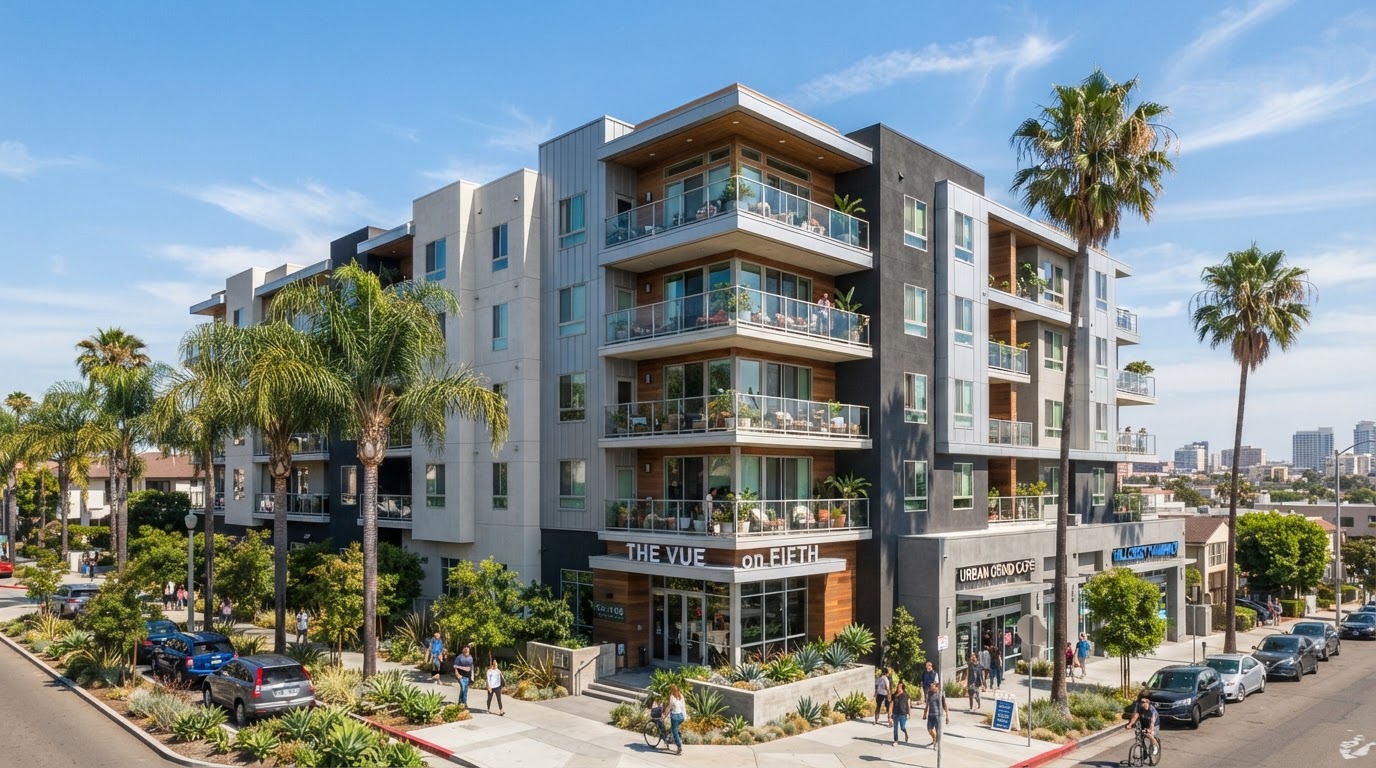
Downtown: high visibility, low pricing power
Downtown San Diego sounds like the obvious answer on paper. In practice, it's flooded with condos and large apartment complexes. When you're one of hundreds of comparable units in the same few blocks, you're not setting the market, you're chasing whatever the building next door is charging. That's a tough position for pricing power and a tough position for standing out to a renter or buyer with dozens of nearly identical options within walking distance.
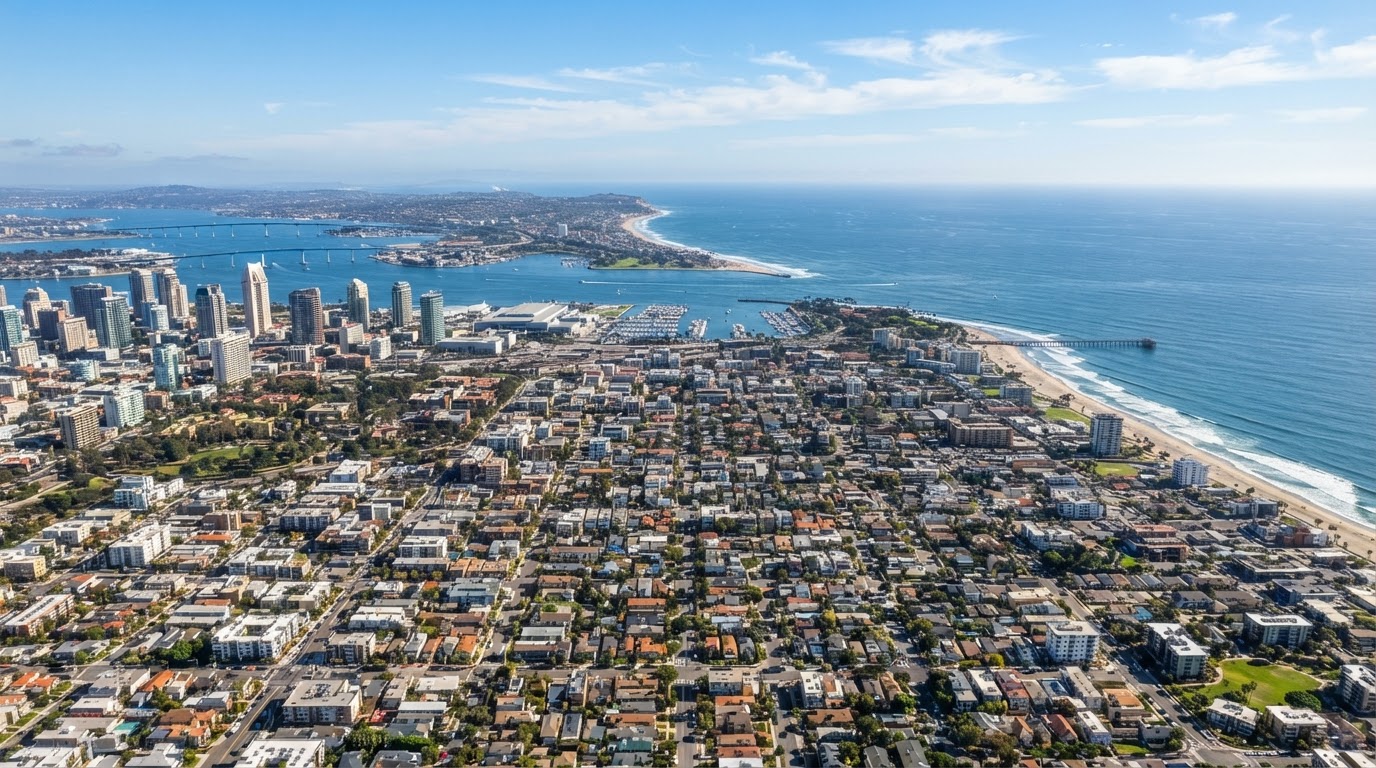
La Jolla: strong fundamentals, high barrier to entry
La Jolla is a genuinely strong long-term hold if you have the capital to get in. It appreciates well and the demand side isn't in question. The problem for most investors isn't the neighborhood, it's the check size. If you don't have millions in liquid capital, the entry point alone takes La Jolla off the table before you even get to underwriting.
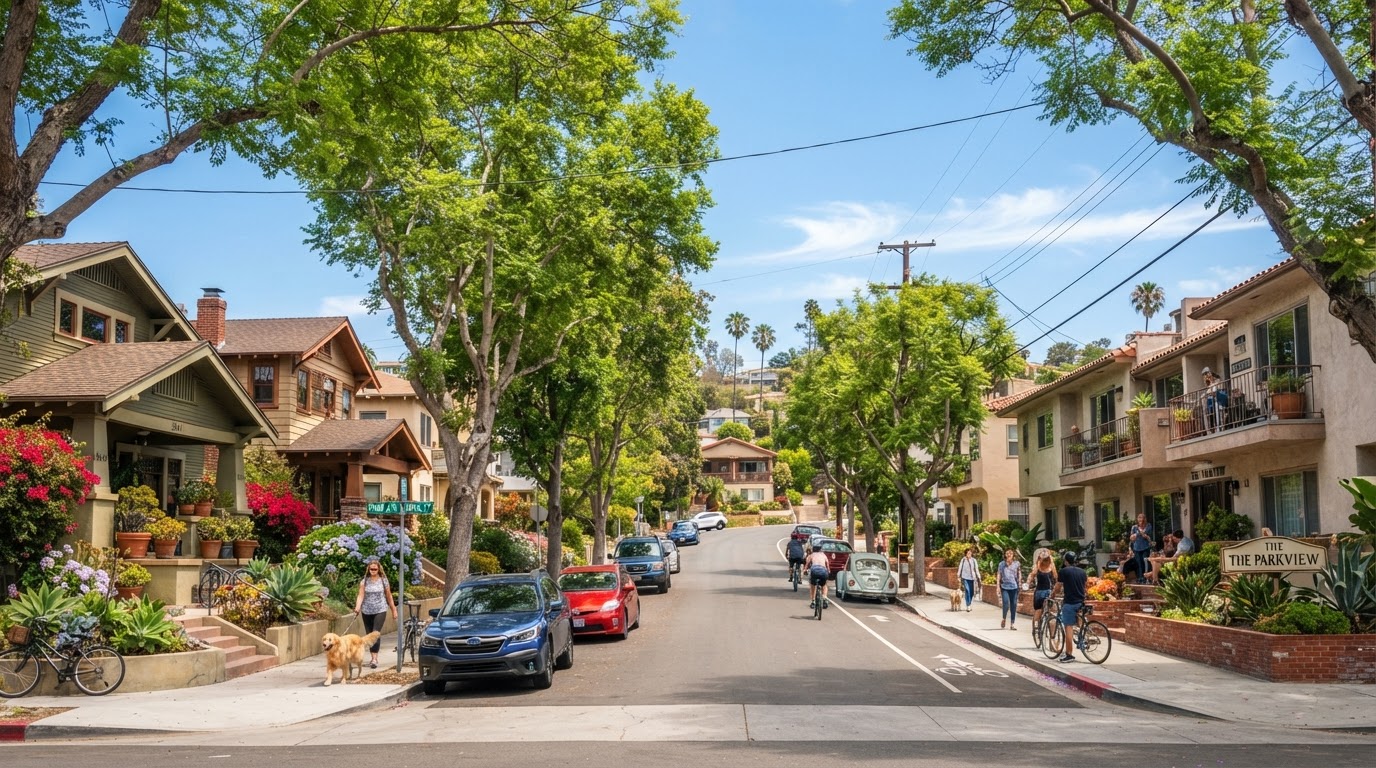
Mission Valley: central and trendy, but structurally out of reach
Mission Valley checks a lot of boxes on paper: central location, growing appeal, real development activity. But look at what's actually getting built there, and it's dominated by 100-plus unit apartment complexes and large retail centers. That's institutional-scale product. The average individual investor isn't competing for those deals, they're watching from the sidelines while large capital absorbs the opportunity.
The pattern underneath all three
Each of these neighborhoods has the same underlying issue for an individual investor: either you're competing against too much supply, the capital requirement locks you out, or the product being built is scaled for institutional players, not individual buyers. None of that means the neighborhoods are bad. It means they're bad fits for the investor who doesn't have the balance sheet or the deal flow to compete at that level.
Where the real opportunity tends to sit
The stronger plays are usually a step or two outside the spotlight, neighborhoods with real demand drivers but without the oversupply, the institutional competition, or the eight-figure entry point. That's where an individual investor or a smaller developer can actually move the needle: smaller infill sites, less saturated submarkets, deals sized for a buyer who isn't competing with a pension fund's acquisitions team.
This is the same logic behind why site selection matters more than neighborhood reputation when you're evaluating a ground-up development opportunity. A well-located lot in a less hyped submarket, with a realistic path through zoning and permitting, often pencils out better than a name-brand address where you're bidding against buyers with a completely different cost of capital.
This breakdown was built off this reel from Isaac Wentzien (@isaacwentzien), who sells multi-unit properties in San Diego.
Trying to figure out which San Diego submarkets actually pencil for a ground-up build right now? Ground Zero Development evaluates site selection and feasibility before you commit capital to a neighborhood based on reputation alone.
Get in touch